Welcome to Keith Mauney and Associates Ultrasound Training Institutes 800.845.3484
Founded 1981, Southwestern University of Texas
Medical School
INSTITUTIONALLY & COMMERCIALLY INDEPENDENT


800.845.3484            972.353.3200            Fax: 817.577.4250

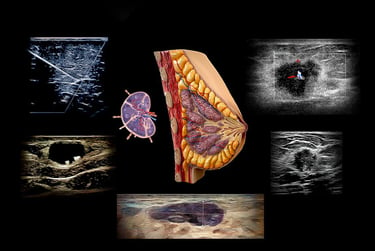
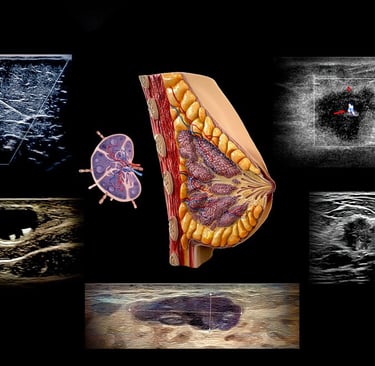
  Hands-On Breast Imaging


Core Skills in the
                                                                                                                                            Science, Technique and  Differential Analysis
Immediate Benefits
Protocol, perception, and practice: These are the three targeted areas of focus this one day class will give you.  Protocol: a systematic, optimized, tactically augmented approach to breast imaging that increases detection accuracy by as much as 10%.  Perception: instruction in and tools to further mastery of conspicuity and pattern recognition, and tissue response.  Practice: proctored hands-on instruction to ensure complete and systematic documentation.  These skills will set you on the proper path to further your contribution to Women’s Care with ultrasound

Target Audience

  • Mammographers who will be augmenting the services of the radiology ultrasound team
  • Sonographers with limited or no formal training in high resolution soft tissue imaging.
  • Graduates of accredited sonography programs who desire to deepen their understanding of visual conspicuity and tactile scanmethodology.


  • Physicians who wish to create a codified, clinically-based approach to breast sonography in Women’s Care; it is ideal for the surgeon contemplating using ultrasound-guided FNA.

Schedule

8:30-3:00pm, Adjourn.

Hands-On Scan Lab open 24 hours during course.


CME Hours

Approved for 6 hours of AMA PRA Category I CME credit.


Tuition

$600 (US funds). Includes course attendance, 24 hour Hands-On Laboratory, all course materials, and light lunch on the first day.
Hotel guests are offered complimentary breakfast each morning
and Social Hour with beverages and hot hors d'oeuvres Monday-Thursday. Post conference mentoring support is free forever.


Available Dates

January 20

February 12

March 11

April 15

May 13

June 10

July 15

August 12

September 16

October 14

November 11

December 9

Dallas, Texas

Dallas, Texas

Dallas, Texas

Dallas, Texas

Dallas, Texas

Dallas, Texas

Dallas, Texas

Dallas, Texas

Dallas, Texas

Dallas, Texas

Dallas, Texas

Dallas, Texas

Hands-On Abdominal Imaging immediately preceded by
Hands-On Pelvic/Obstetric Imaging follows the next day
Objectives

Upon successful completion of this course the learner should be able to:

  • Describe the gross anatomy and tissue composition of the breast citing the organizational structure from anterior surface to posterior chest wall.
  • Describe the pathologic change associated with each of he following:
          • benign cysts
          • fibroadenomas
          • ductal carcinoma
          • noninvasive\invasive ductal carcinoma.
  • Describe and demonstrate the systematic approach to ultrasonic imaging of the breast citing the importance of sectional, tactile imaging technique.
  • Describe the ultrasonographic features expected from each of the following tissue regions:
          • skin (and its varying appearance with probe pressure)
          • subcutaneous fat
          • Cooper ligaments
          • glandular region, differentiating the four main parenchymal patterns (juvenile, premenopausal, and pregnancy/lactation
          • retromammary fat
          • pectoral muscle
          • ribs
          • nipple region, specifically including ductal pattern.
  • Apply a systematic analytic criterion-based process for differentiation of sonographic findings implementing each of the following features:
          • margins, using the descriptive terms jagged, or sharp and indistinct, or smooth
          • retrotumoral acoustic characteristics, including acoustic shadowing, enhancement, or no change
          • posterior shadowing by degree and location, including posterior enhancement
          • internal echo pattern ,or texture (homogeneous versus heterogeneous versus anechoic)
          • echogenicity, ranging from almost anechoic to hyperechoic
          • compression effect on shape and internal echogenicity
          • lateral/transverse ratio
          • regional vascular resistance as detected by Doppler ultrasound
  • Describe the role of ultrasound imaging in evaluation of the augmented breast for evaluation of intra- or extracapsular rupture.
  • Describe and differentiate the criteria of “stepladder sign” and extracapsular “noise” in evaluation for implant rupture.